

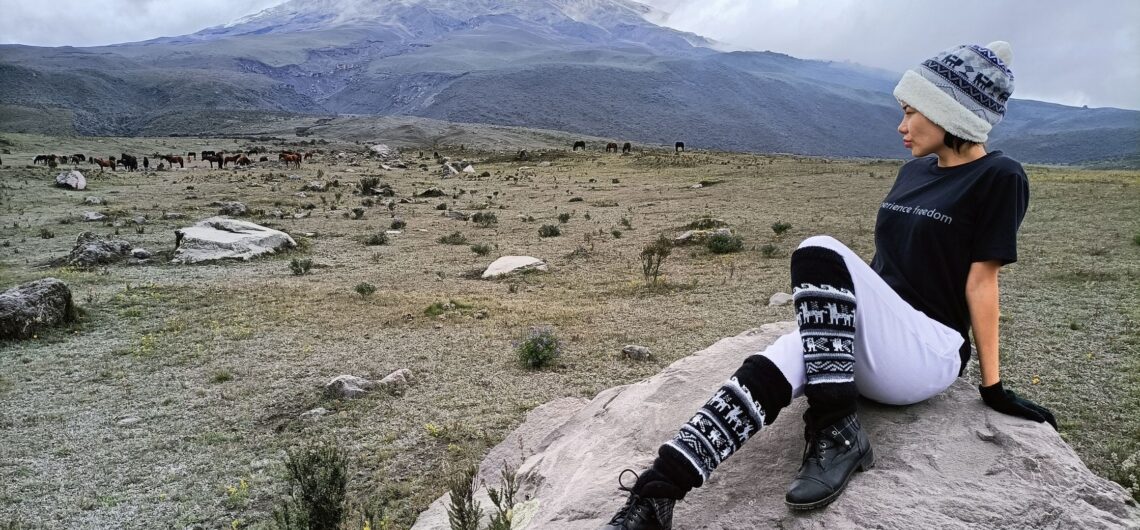
Ecuador’s Volcanoes: A Complete Guide to Cotopaxi, Chimborazo, Cayambe and Quilotoa
Introduction
Ecuador is one of the most volcanically active regions on Earth. Located along the Pacific “Ring of Fire,” the country sits on a dynamic geological boundary where the Nazca tectonic plate is slowly sliding beneath the South American plate. This powerful geological process created the Andes Mountains and a remarkable chain of volcanoes stretching across the country.
Within a relatively small territory, Ecuador contains dozens of volcanic peaks, several of which remain active today. These mountains have shaped the landscapes, ecosystems, and cultures of the Andes for thousands of years. Some volcanoes rise above 6,000 meters, while others form stunning crater lakes surrounded by indigenous villages and high-altitude grasslands known as páramo.
For travelers and nature enthusiasts, Ecuador’s volcanoes offer some of the most spectacular landscapes in South America. From the iconic symmetrical cone of Cotopaxi to the turquoise waters of Quilotoa crater, these mountains define the dramatic beauty of the Ecuadorian Andes.
Why Ecuador Has So Many Volcanoes
The Andes mountain range was formed by the collision of tectonic plates deep beneath the Pacific Ocean. The Nazca Plate slowly subducts beneath the South American Plate, creating immense pressure and heat that generate magma below the surface.
Over millions of years, this magma rises through fractures in the Earth’s crust, forming volcanoes along the Andes. Ecuador lies directly along this volcanic belt, which explains why the country contains so many active and dormant volcanic peaks.
The Ecuadorian Andes are divided into two parallel mountain chains known as the Western Cordillera and the Eastern Cordillera. Between them lies a high plateau historically called the Avenue of the Volcanoes, a term famously used by the explorer Alexander von Humboldt in the early 19th century.
This corridor contains many of the country’s most famous volcanoes, several of which can be visited within a few hours of the capital city of Quito.
Cotopaxi: Ecuador’s Most Iconic Volcano
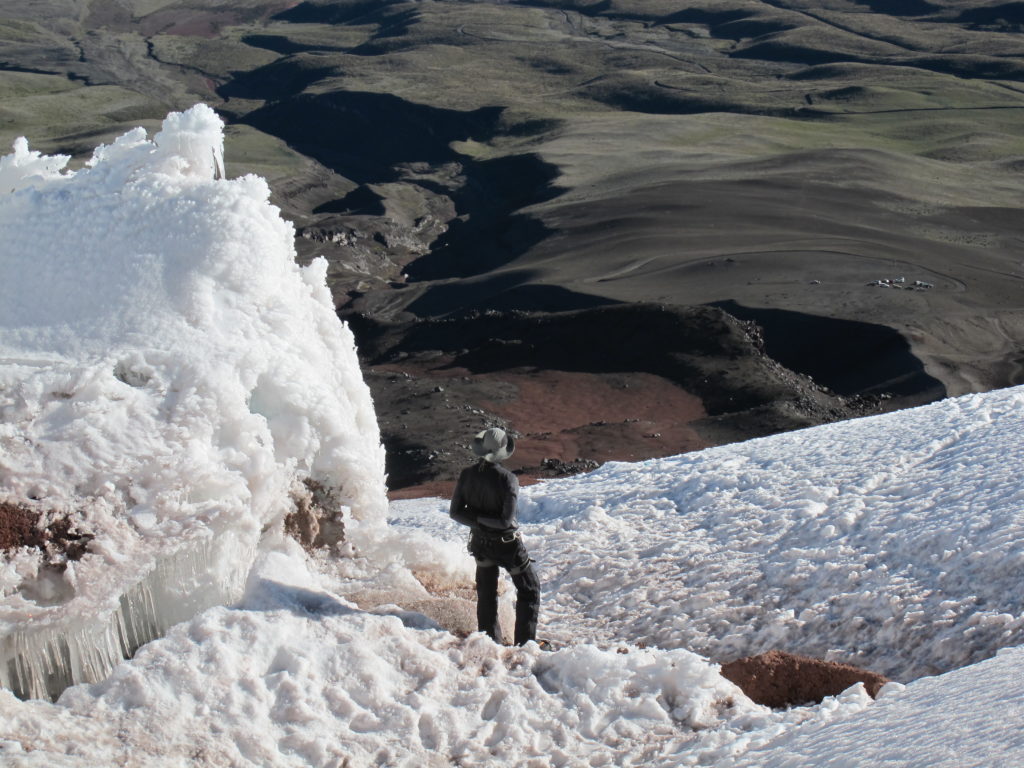
Cotopaxi is one of the most recognizable volcanoes in the world. Its nearly perfect conical shape rises dramatically above the Andean plateau, reaching an elevation of 5,897 meters (19,347 feet).
The volcano is located inside Cotopaxi National Park, one of Ecuador’s most visited protected areas. The surrounding landscape includes open páramo grasslands, glacial rivers, and wildlife such as wild horses, Andean foxes, and condors.
Cotopaxi is also one of the highest active volcanoes on Earth. Although it has experienced eruptions throughout history, it remains a major symbol of Ecuador’s natural heritage.
Visitors can explore the national park through hiking trails, mountain refuges, and scenic viewpoints. Many travelers hike to the José Rivas refuge, located at about 4,800 meters, where climbers preparing for the summit spend the night before their ascent.
Chimborazo: The Closest Point to Space
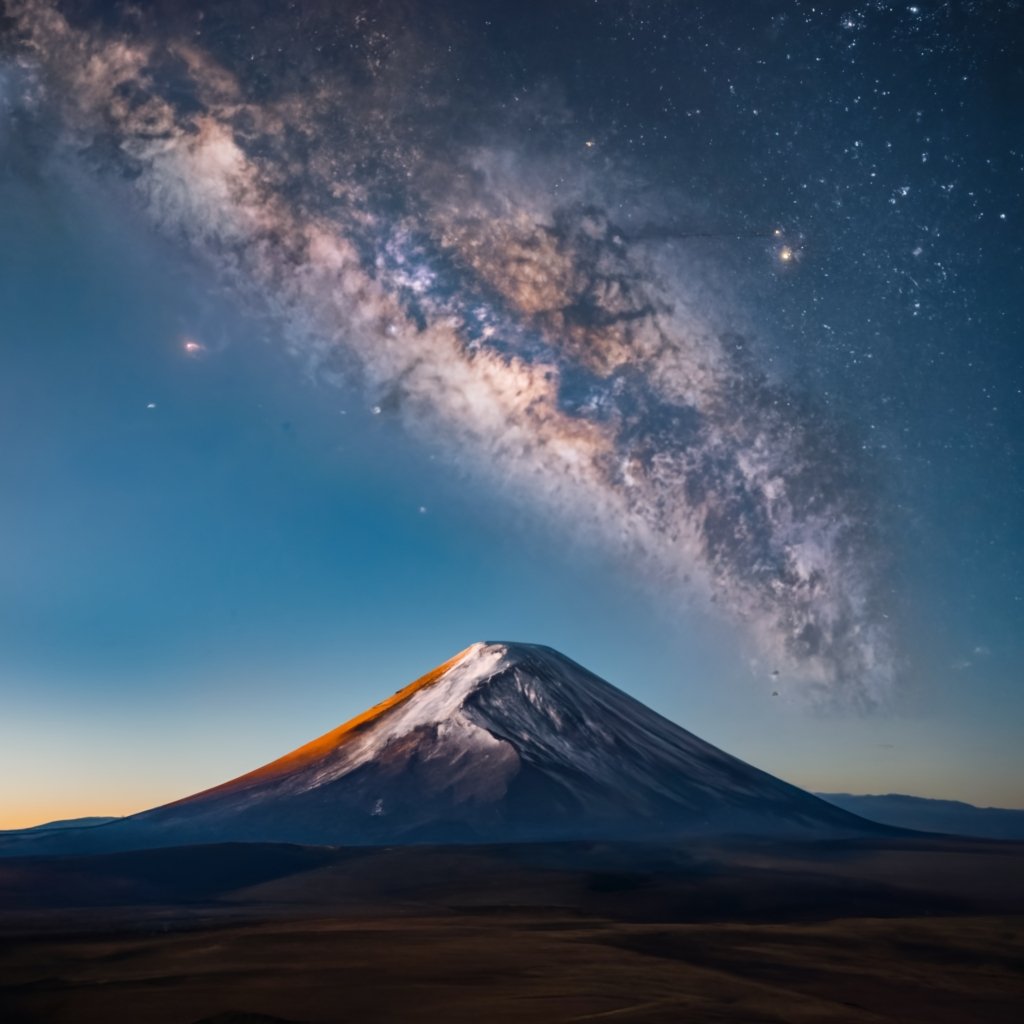 Although Mount Everest is the highest mountain above sea level, Chimborazo holds a unique geographical distinction. Because the Earth bulges slightly at the equator, Chimborazo’s summit is actually the closest point on Earth to outer space.
Rising to 6,263 meters (20,548 feet), Chimborazo is Ecuador’s highest mountain and one of the tallest peaks in the Andes.
The volcano is surrounded by the Chimborazo Wildlife Reserve, an important habitat for vicuñas, alpacas, and Andean birds. The landscapes around Chimborazo are vast and remote, characterized by high-altitude plains and glacial valleys.
Although climbing the summit requires technical mountaineering skills, visitors can still explore the reserve through hiking routes and viewpoints that reveal the immense scale of the mountain.
Cayambe: A Glacier on the Equator
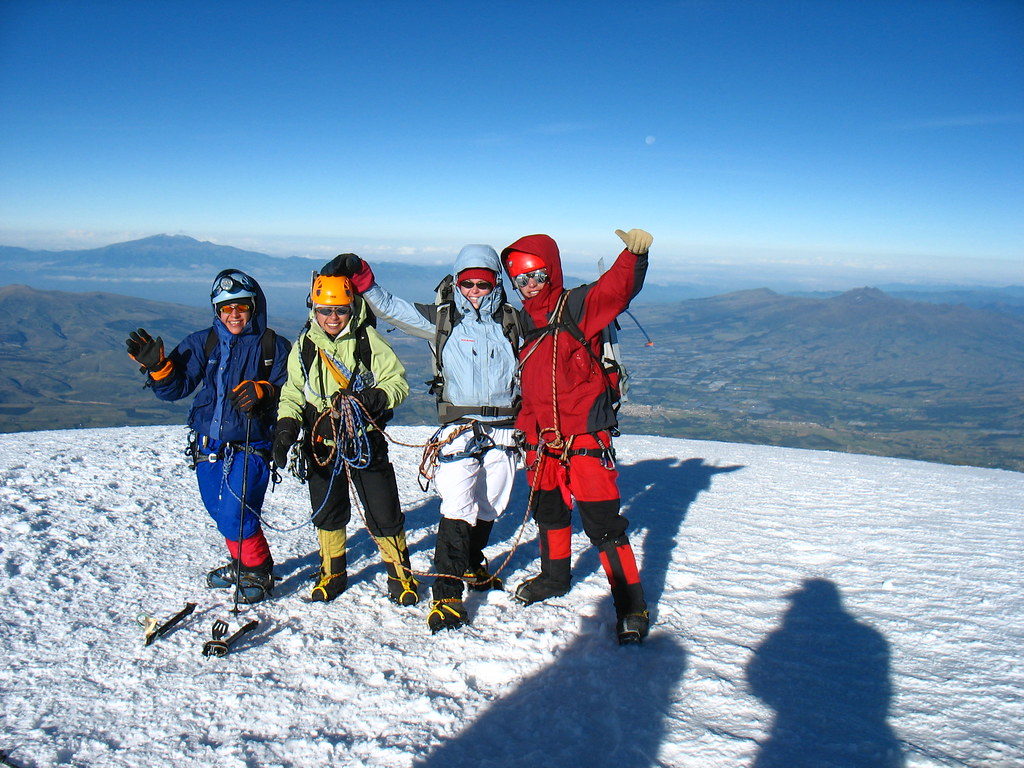
Cayambe is one of the most unusual mountains in the world. Its summit reaches 5,790 meters (18,996 feet) and lies directly on the equatorial line, making it the highest point on Earth located on the equator.
Even more remarkable, Cayambe is permanently covered by glaciers despite its equatorial location. The mountain’s snowfields feed rivers that flow into both the Amazon basin and the Pacific Ocean.
The surrounding Cayambe-Coca Ecological Reserve contains diverse ecosystems ranging from cloud forest to high-altitude páramo. This region is known for its biodiversity and dramatic scenery, including waterfalls, lakes, and volcanic peaks.
Quilotoa: A Volcanic Crater Lake
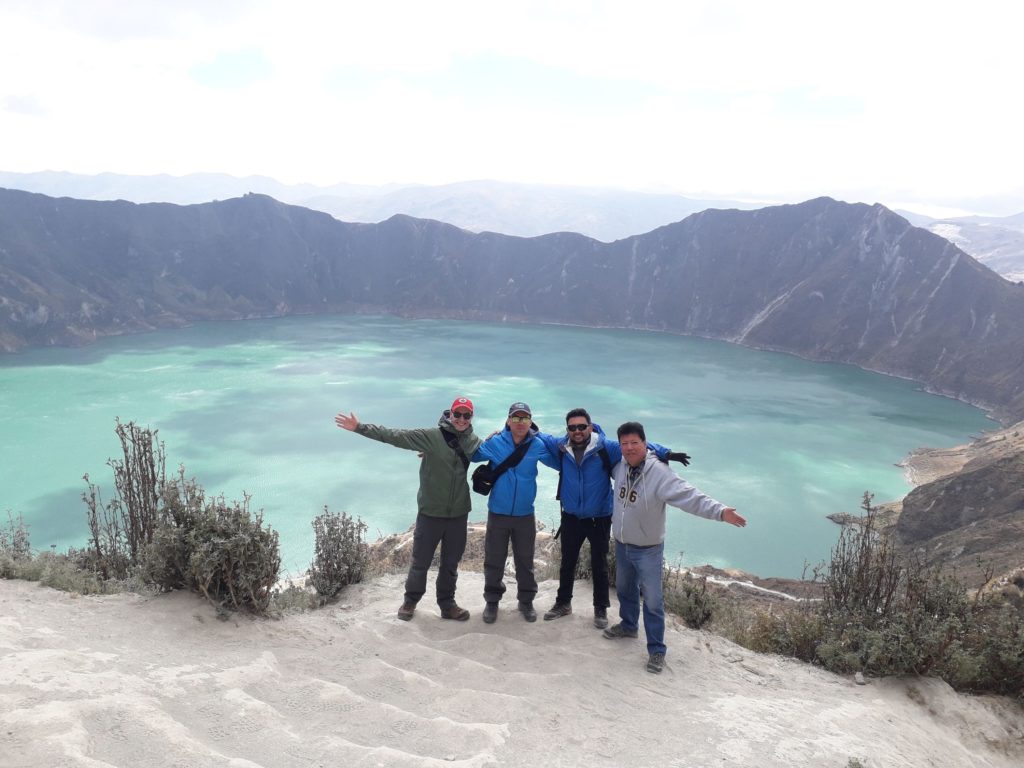
Quilotoa is not a towering volcanic peak but a massive collapsed volcanic caldera filled with striking turquoise water. The lake sits at an elevation of around 3,900 meters (12,800 feet) and is surrounded by steep crater walls.
Today, Quilotoa is one of Ecuador’s most beautiful natural destinations. The crater forms the centerpiece of the famous Quilotoa Loop, a multi-day trekking route that passes through small Andean villages and traditional farming communities.
Hiking trails descend from the crater rim to the lake below, offering spectacular views of the surrounding mountains and valleys.
The region around Quilotoa provides visitors with a unique opportunity to experience both dramatic volcanic landscapes and local indigenous culture.
Exploring Ecuador’s Volcano Landscapes
The volcanoes of Ecuador offer an extraordinary variety of landscapes within a relatively small region. In just a few days, travelers can move from high-altitude glaciers to volcanic crater lakes and remote Andean valleys.
These environments are not only geologically fascinating but also deeply connected to the history and culture of the Andes. Indigenous communities have lived in the shadows of these mountains for centuries, adapting to their challenging environments and respecting their powerful presence.
Exploring Ecuador’s volcanoes allows visitors to experience one of the most dramatic mountain landscapes in South America while learning about the geological forces that shaped the continent.
Explore Ecuador’s Volcano Landscapes with Barefoot Expeditions
Many of Ecuador’s volcanic regions can be explored through trekking routes, national park visits, and guided expeditions across the Andes.
Barefoot Expeditions organizes journeys that connect travelers with the landscapes, ecosystems, and cultures that make the Ecuadorian Andes so unique.
From Cotopaxi National Park to the legendary Quilotoa crater, the volcanic heart of Ecuador offers unforgettable experiences for nature lovers and adventure travelers alike.

Comments