

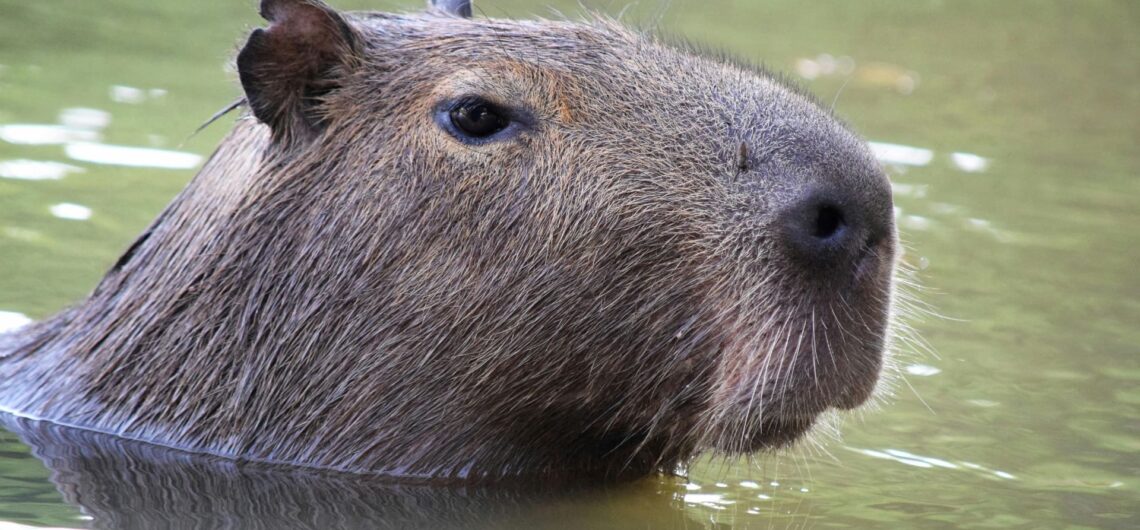
The Barefoot Capybara Trip: A Slow Wildlife Idea from Ecuador’s River Country
There are some animals that do not need to be dramatic to be unforgettable.
The capybara is one of them.
Calm, social, amphibious, and always close to water, the capybara represents a different way of moving through nature. It does not rush. It does not perform. It simply belongs to the river.
That is why the idea of a Barefoot Capybara Trip feels so natural.
This is a slow wildlife journey inspired by Ecuador’s tropical lowlands, Amazonian rivers, lagoons, wetlands, and forest edges — places where water, vegetation, and wildlife meet.
The capybara invites us to travel differently.
To move slower.
To observe more.
To stay close to the river.
To let nature appear without forcing it.
A Soft Wildlife Journey
The Barefoot Capybara Trip is imagined as a gentle nature experience for travelers who enjoy wildlife, photography, calm landscapes, and quiet moments near water.
Instead of rushing from place to place, this journey follows the rhythm of river life. It may include canoe rides, forest walks, riverbank observation, local food, community connection, and visits to conservation or wildlife rescue initiatives where appropriate.
This is the kind of experience where the animal becomes more than a sighting.
It becomes a symbol.
The capybara lives between land and water. It is peaceful but alert, social but quiet, simple but perfectly adapted to its environment. In that sense, it reflects something very close to the Barefoot philosophy: travel that is grounded, fluid, respectful, and connected to place.
Why Capybaras?
Capybaras are among the most charismatic animals of South America. Around the world, people love them because they feel calm, friendly, and almost meditative.
But beyond their charm, they also tell a deeper ecological story.
They belong to freshwater landscapes — rivers, ponds, marshes, flooded grasslands, and forest edges. To look for capybaras is also to understand the importance of healthy tropical water systems.
A capybara trip is not only about one animal.
It is about the world that allows that animal to live.
Close, Natural Encounters
At Barefoot Expeditions, we believe wildlife experiences should be respectful, careful, and honest.
The goal is not to chase animals or force contact. The goal is to enter the landscape with patience and awareness, allowing close, natural encounters to happen when the conditions are right.
In some places, especially wildlife rescue centers or Amazon stations, travelers may be able to learn about rescued animals, conservation work, habitat protection, and the people who care for them. Any close interaction with wildlife should always depend on the rules of the place, the wellbeing of the animals, and the guidance of local specialists.
That makes the experience more meaningful.
Not just seeing wildlife — but understanding how to protect it.
Helping the Amazon
The Barefoot Capybara Trip could also become a way to support local Amazon initiatives.
A future version of this journey may include visits to community projects, wildlife rescue centers, conservation stations, or local families working near river habitats. The idea is simple: travel should leave something positive behind.
If we visit the places where capybaras and other Amazon species live, we should also support the people and projects helping to protect those landscapes.
This is where the journey becomes more than a cute wildlife idea.
It becomes a small bridge between travelers, local communities, and the living Amazon.
The Barefoot Way
The best wildlife moments often happen when travelers slow down enough to notice the small signs: movement near the water, sounds from the forest, tracks in the mud, birds crossing the river, or a quiet animal resting at the edge of the landscape.
The Barefoot Capybara Trip is still an idea in movement — a seed for a future journey.
