

How to use this Quito museum guide
You do not need to visit every museum in one day. Choose according to your strongest interests—archaeology, colonial art, history, architecture, science, or contemporary culture—and combine one or two museums with time to experience the surrounding part of Quito.
Best Museums in Quito: What to See in Each One
- La Capilla del Hombre (Chapel of Man): This museum is dedicated to the work of Ecuadorian artist Oswaldo Guayasamín, and houses a collection of his paintings, drawings, and sculptures. The museum is divided into five rooms, each of which explores a different theme of Guayasamín’s work, such as “The Roots”, “The Incarnation”, and “The Suffering of the Innocent”.
- Casa Museo Guayasamín (Guayasamín House Museum): This museum is located in the former home of Oswaldo Guayasamín, and offers a more personal look at the artist’s life and work. The museum is filled with Guayasamín’s personal belongings, as well as paintings, drawings, and sculptures from his early career.
- Museo de la Ciudad (Museum of the City): This museum tells the story of Quito from its founding to the present day. The museum is housed in a 16th-century hospital, and its exhibits include archaeological artifacts, colonial paintings, and photographs of Quito’s changing landscape.
- Museo Nacional del Banco Central del Ecuador (National Museum of the Central Bank of Ecuador): This museum houses a collection of over 15,000 artifacts that illustrate the history of Ecuador from pre-Columbian times to the present day. The museum’s exhibits include gold and silver objects, textiles, ceramics, and sculptures.
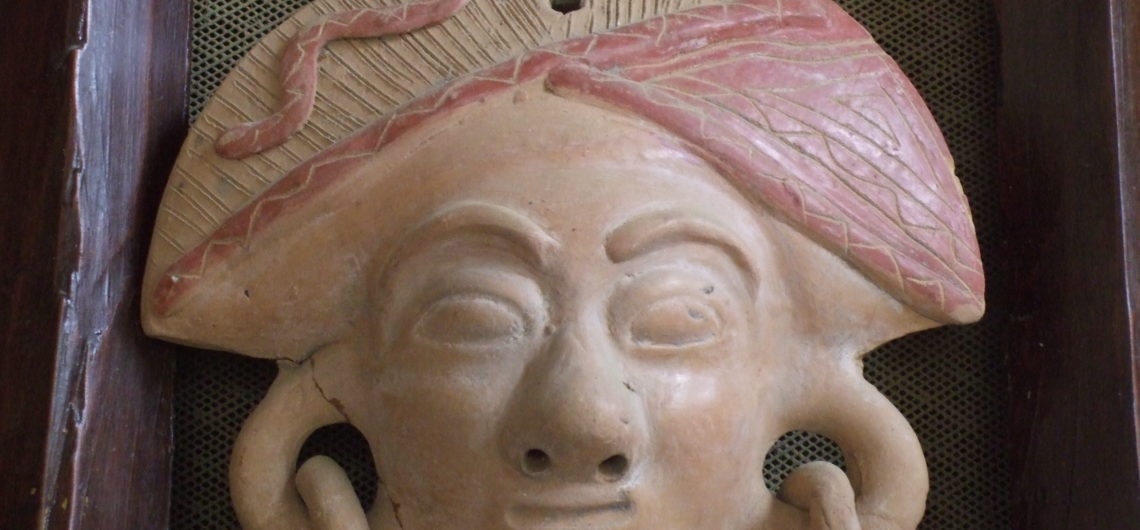
- Casa del Alabado (House of the Alabaster): This museum exhibits a collection of over 5,000 pre-Columbian artifacts, including ceramics, textiles, and jewelry. The museum’s collection is particularly strong in its representation of the Quitu-Cara culture, which flourished in the Quito region before the arrival of the Spanish.
These are just a few of the many museums in Quito. With so many options to choose from, you’re sure to find something to interest you.
Other Museums in Quito Worth Adding to Your Visit
Quito has many smaller museums and cultural spaces that reveal different sides of the city — from colonial religious art and independence history to archaeology, textiles, and traditional craftsmanship. If you have more time in the capital, these additional museums are also worth considering:
- Museo de Arte Colonial (Museum of Colonial Art): This museum houses a collection of colonial paintings, sculptures, and furniture.
- Museo Jacinto Jijón y Caamaño (Jacinto Jijón y Caamaño Museum): This museum is dedicated to the history of Ecuador, and houses a collection of archaeological artifacts, colonial paintings, and documents.
- Museo Manuela Sáenz (Manuela Sáenz Museum): This museum is dedicated to the life of Manuela Sáenz, a revolutionary who fought for Ecuador’s independence.
- Museo del Carmen Alto (Carmen Alto Museum): This museum is located in a 17th-century convent and houses a collection of religious art and artifacts.
- Museo Mindalae (Mindalae Museum): This museum exhibits a collection of Ecuadorian handicrafts and textiles.
Turn Quito’s museums into a deeper city experience
Museums reveal important parts of Quito’s history, art, archaeology, and culture—but the city becomes even more meaningful when those stories are connected with its streets, plazas, neighborhoods, landscapes, and everyday life.
Private Quito experiences available by request. Start with the classic route or design the city around your interests.
