Quito Historic Center
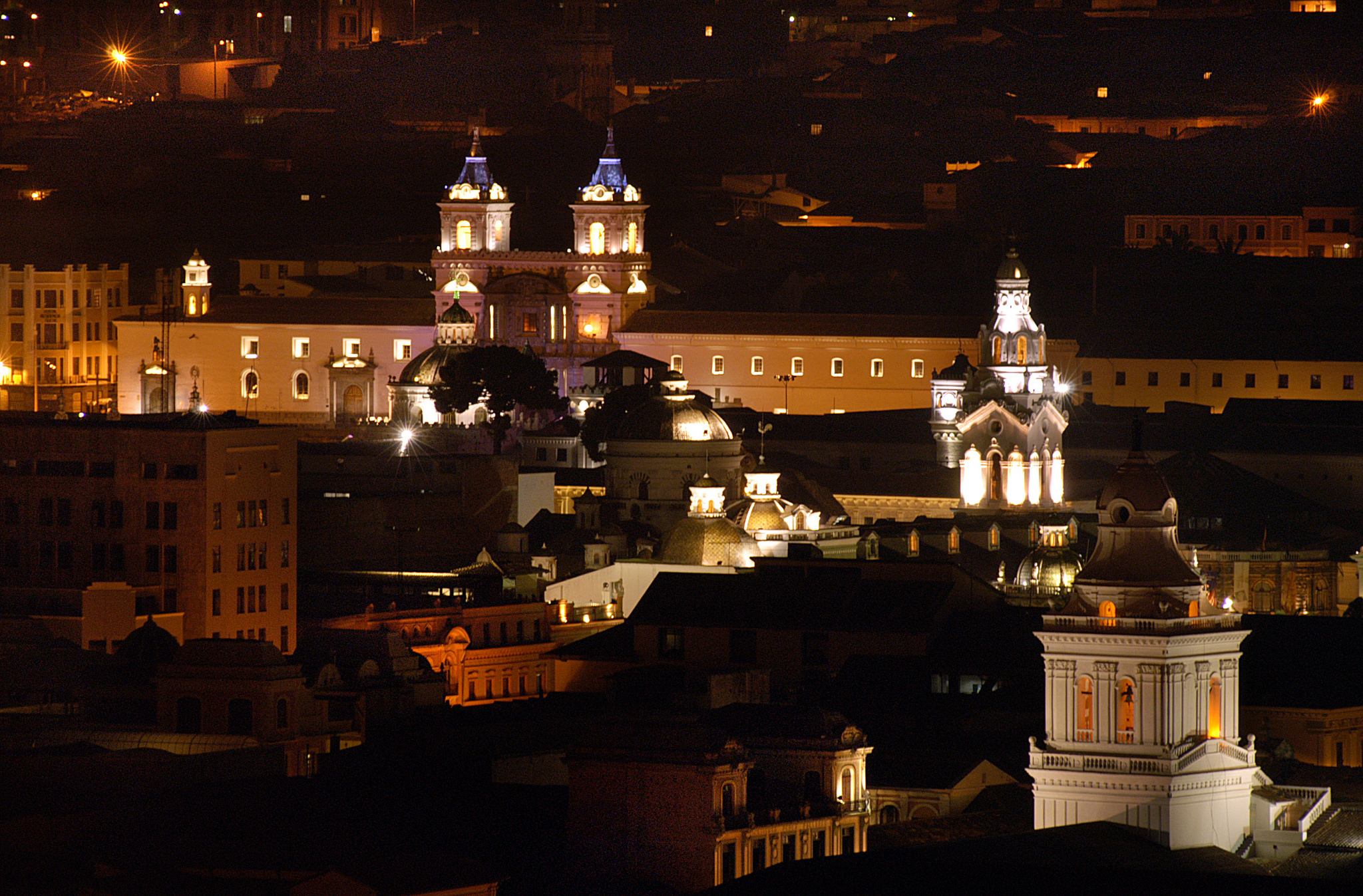
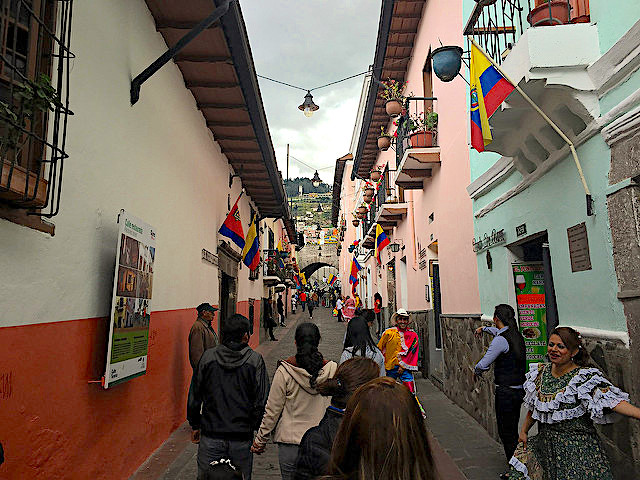
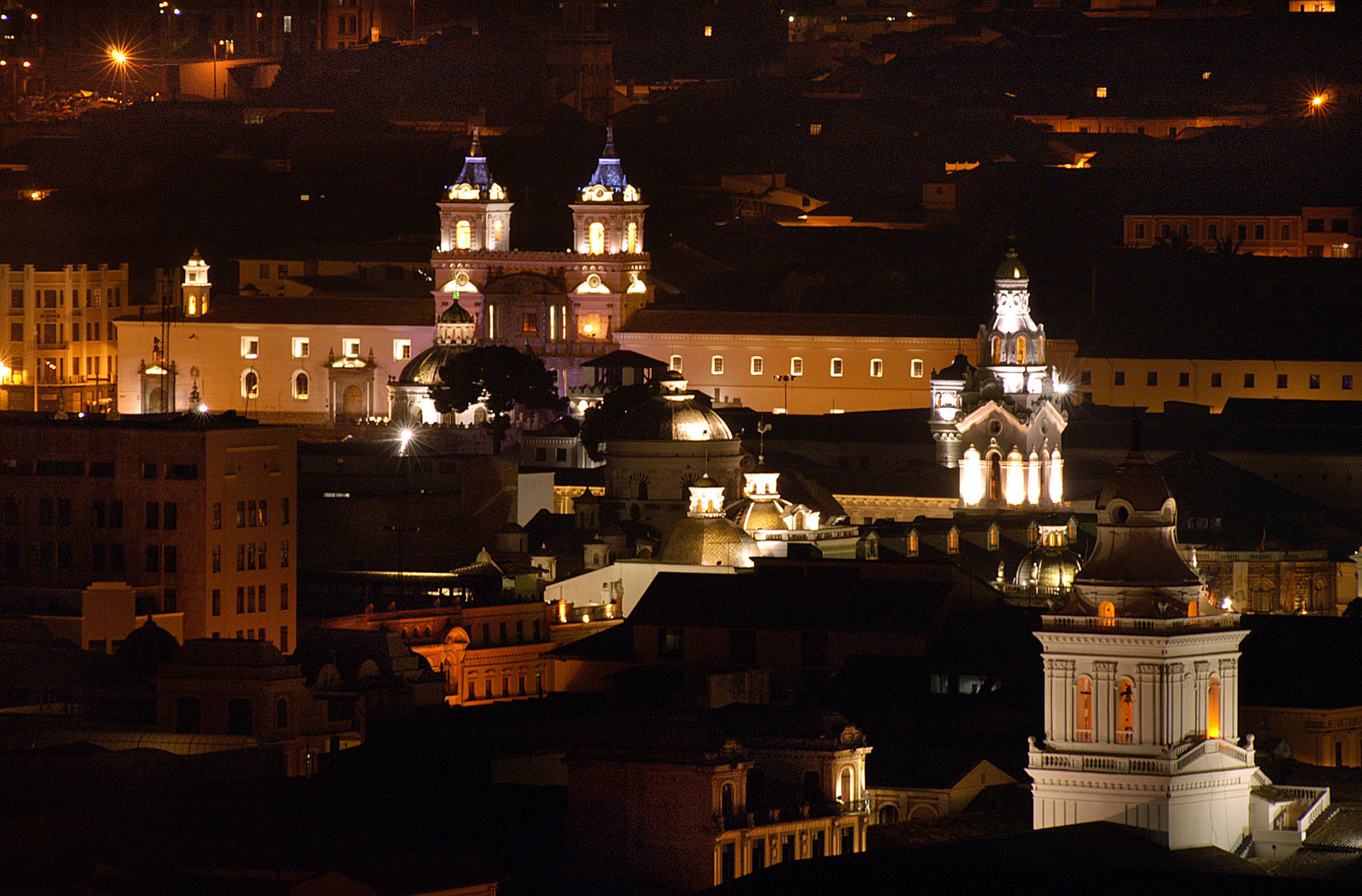
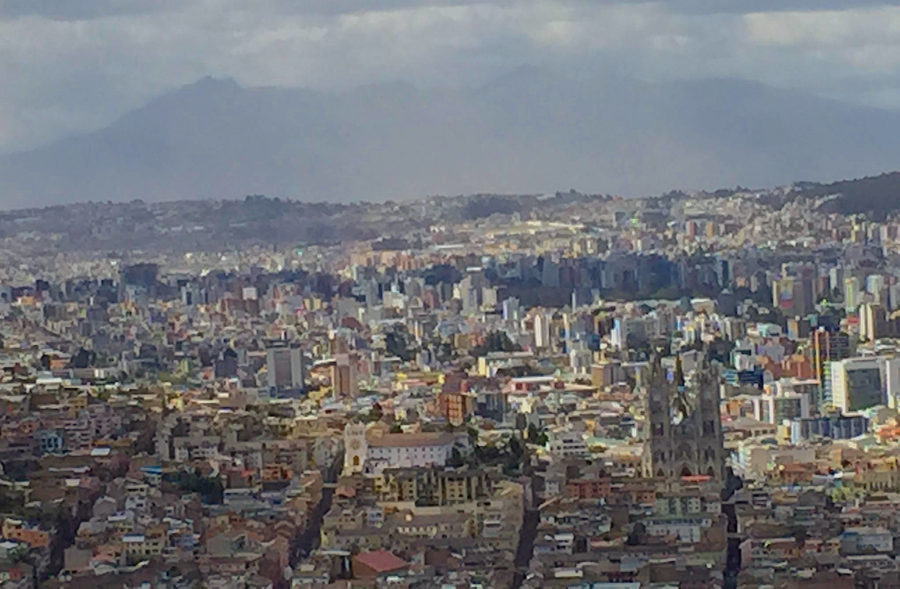
Quito’s UNESCO-listed Historic Center preserves churches, convents, plazas, traditional businesses, and residential streets shaped by Indigenous foundations, Spanish colonial planning, and centuries of republican life.
Historic Center, Equator Line & Rumicucho (Inca Site)
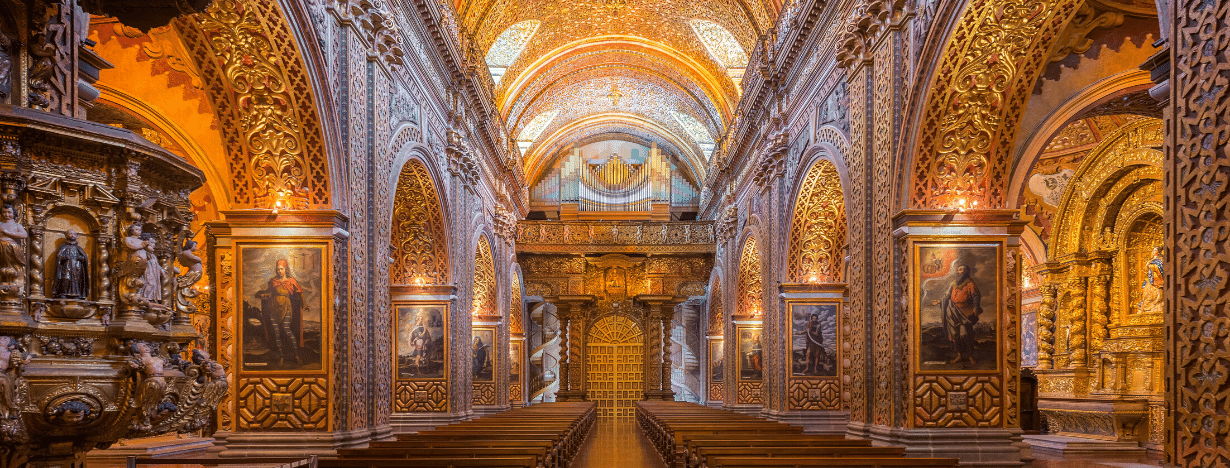
Quito’s Historic Center explains the colonial and republican city. The Equator introduces Ecuador’s geography and scientific identity. Pululahua reveals the volcanic landscape surrounding the capital, while Rumicucho connects the route with the pre-Inca and Inca worlds that existed long before modern Quito.
Quito Essentials is designed as a private full-day experience. The route follows a clear structure, while timing can be adjusted according to your hotel location, interests, traffic, weather, and local conditions.
Comfortable walking shoes, layered clothing, a light rain jacket, hat, sunscreen, water, camera, and your passport or a copy for Equator-site registration when required.
Quito Essentials is the complete classic route. For markets, neighborhoods, food, public transportation, practical local support, and a route designed entirely around your day, explore Quito Like a Local.
Discover Quito Like a LocalSample full-day route
This is the complete Quito Essentials route. The order and timing may be adjusted according to your hotel location, traffic, weather, opening hours, and the interests of the group.
Meet your private guide at your Quito hotel or an agreed location. Begin with an introduction to the city’s geography, altitude, and the route ahead.
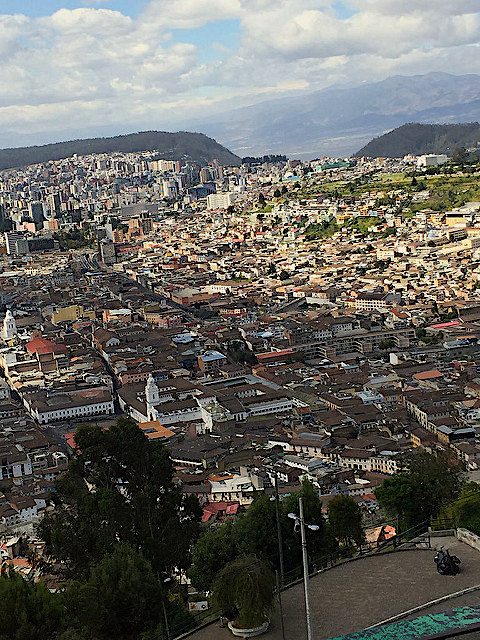
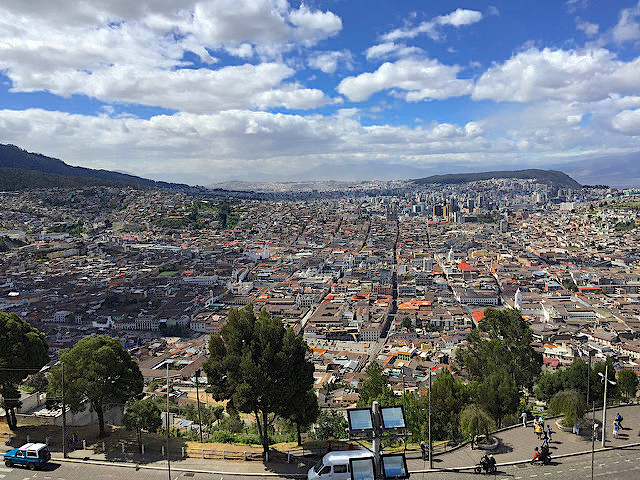
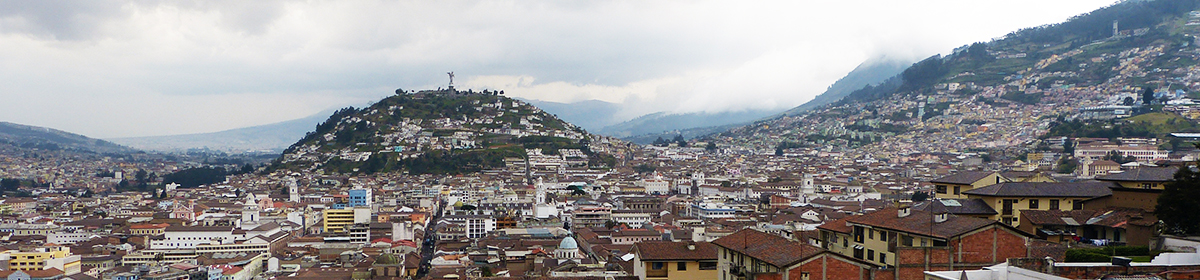
Travel to El Panecillo for a panoramic introduction to Quito. From this high viewpoint, observe the Historic Center, the surrounding mountains, and the long north–south shape of the Andean valley.
Explore selected streets, plazas, churches, and traditional landmarks in Quito’s UNESCO-listed Historic Center. The route may include San Francisco, Plaza Grande, the Cathedral, La Compañía, and the Basilica, depending on time and opening conditions.
Pause for lunch at a selected local restaurant. Your guide can recommend options according to your preferences, dietary needs, available time, and budget.
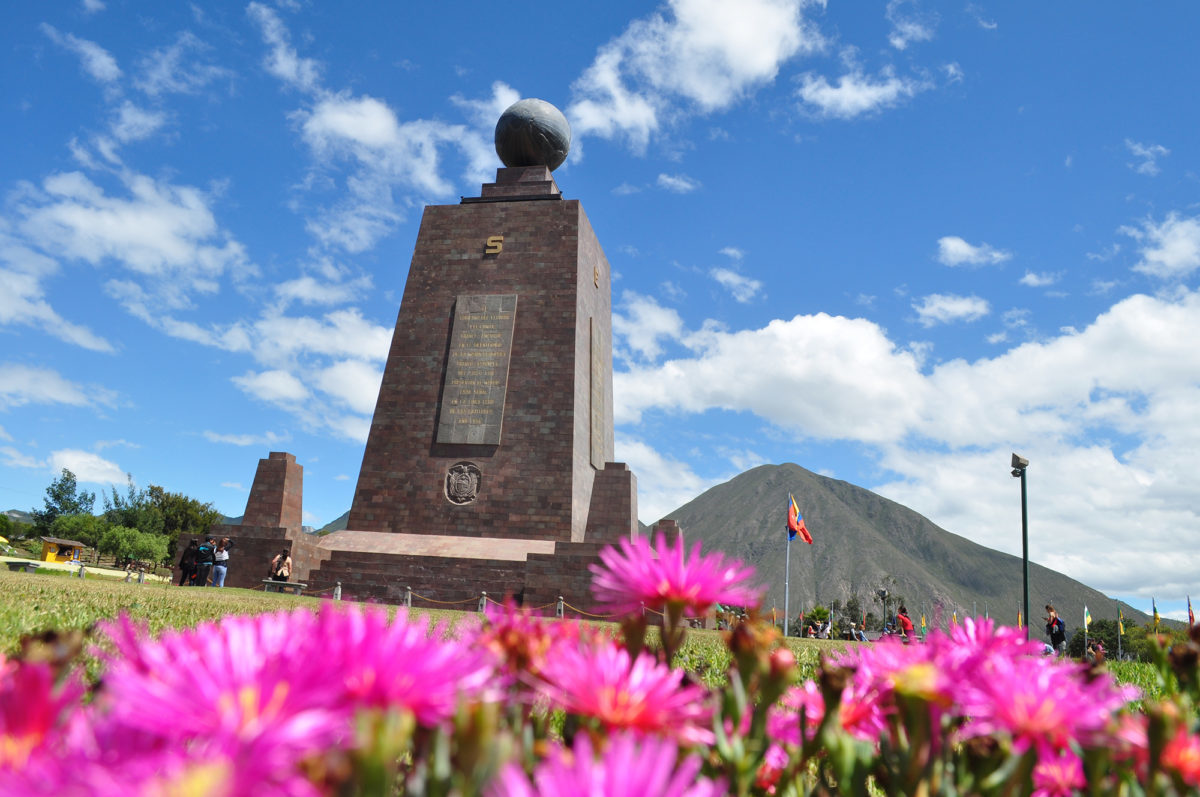
Continue north to the Equator region. Visit the Middle of the World area, the Intiñan Museum, or the option best suited to your interests and available time. Explore Ecuador’s geographic identity and the science and stories surrounding latitude zero.
Visit the Pululahua viewpoint when visibility and weather permit. Look across the inhabited volcanic caldera and the transition toward the cloud forest landscape northwest of Quito.
End the route at Rumicucho, a strategic archaeological complex associated with the pre-Inca and Inca presence near the Equator. Explore the terraces and stone structures while considering the older Andean landscape beneath modern Quito.
Return comfortably to your hotel in Quito in the late afternoon or early evening, depending on traffic and the final route.
The route is ambitious and may be adapted according to the pace of the travelers. Your guide will prioritize the most meaningful stops rather than rushing through every location simply to follow an exact timetable.
Places and context
Quito Essentials connects several periods of Ecuadorian history: the Indigenous and Inca landscape, the Spanish colonial city, the republican capital, and the modern metropolis that continues to grow through the Andean valley.
Quito’s UNESCO-listed Historic Center preserves churches, convents, plazas, traditional businesses, and residential streets shaped by Indigenous foundations, Spanish colonial planning, and centuries of republican life.
Independence Square remains one of the political and symbolic centers of Ecuador. It is surrounded by the Presidential Palace, Metropolitan Cathedral, Municipal Palace, and buildings representing the city’s religious and civic history.
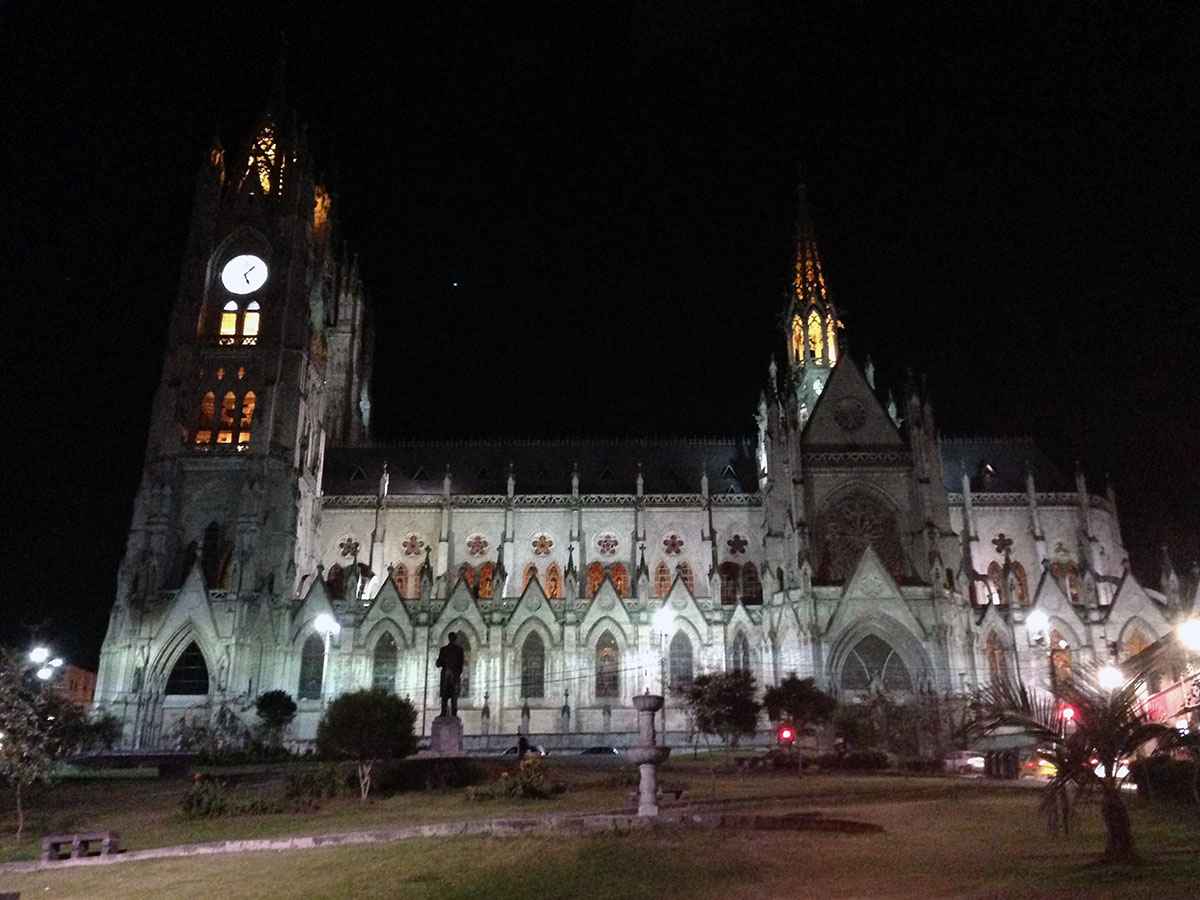
The Basilica is Quito’s great Neo-Gothic landmark. Its towers, stonework, Ecuadorian-animal gargoyles, and elevated views make it one of the most recognizable structures in the capital.
La Compañía is one of Quito’s most celebrated Baroque churches. Its elaborate interior reflects the artistic skill of the Quito School and the complex cultural exchange that shaped colonial religious art.
The San Francisco complex occupies one of the most important plazas in historic Quito. Its church, convent, artworks, and surrounding streets help explain the religious, commercial, and social development of the colonial city.
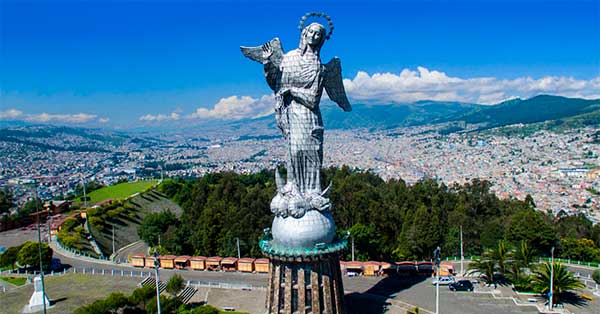
Rising above the Historic Center, El Panecillo provides a broad view of Quito’s north–south geography. The hill and its Virgin monument have become defining symbols of the city’s skyline.
Beyond the colonial city
Rumicucho is an archaeological complex built across a series of terraces north of Quito. Its location near the Equator gave it strategic, ceremonial, residential, and observational importance.
The site helps connect Quito’s modern geography with the Indigenous and Inca worlds that existed before the Spanish city. Its stone structures and elevated position reveal how movement, trade, defense, ceremony, and astronomy were linked across the Andean landscape.
The Historic Center contains far more monuments than can be explored deeply in one day. Your guide will select the most relevant plazas, churches, streets, and viewpoints according to opening hours, local conditions, and your interests. The objective is understanding Quito—not rushing through a checklist.
Private experience by request
Tell us your preferred date, hotel location, number of travelers, and any interests or mobility considerations. Barefoot will confirm availability and adapt the route to your group.
The published price begins at USD 90 per person for a minimum of two travelers. Final pricing depends on group size, pickup location, and any requested changes.
Complete the form below and we will design the right version of Quito Essentials for you.