

What Gear You Need to Climb Cotopaxi
The ultimate packing list for Ecuador’s most iconic volcano.
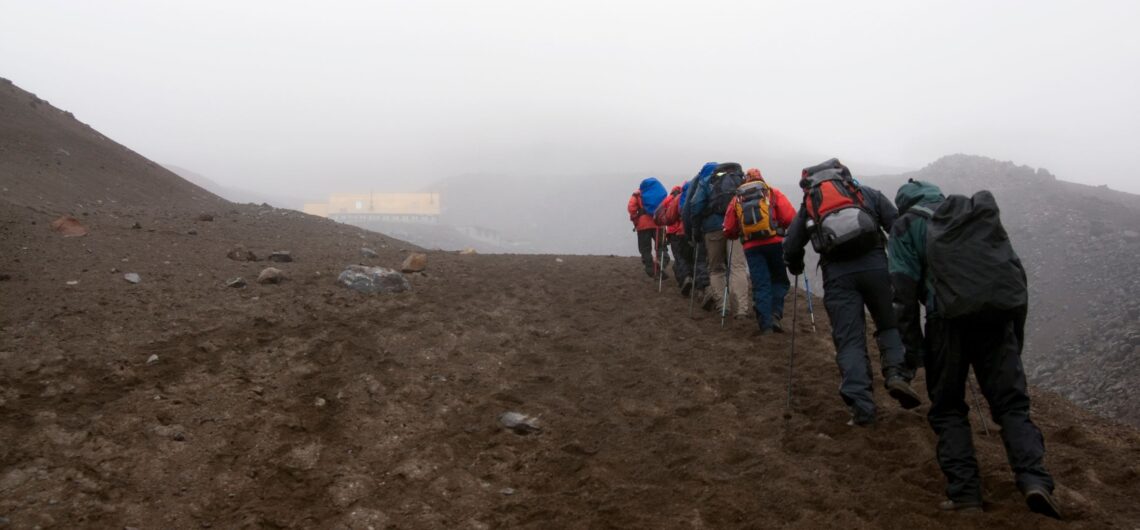
Climbing Cotopaxi (5,897 m) is not just a trek — it’s a high-altitude glacier ascent on one of the highest active volcanoes in the world.
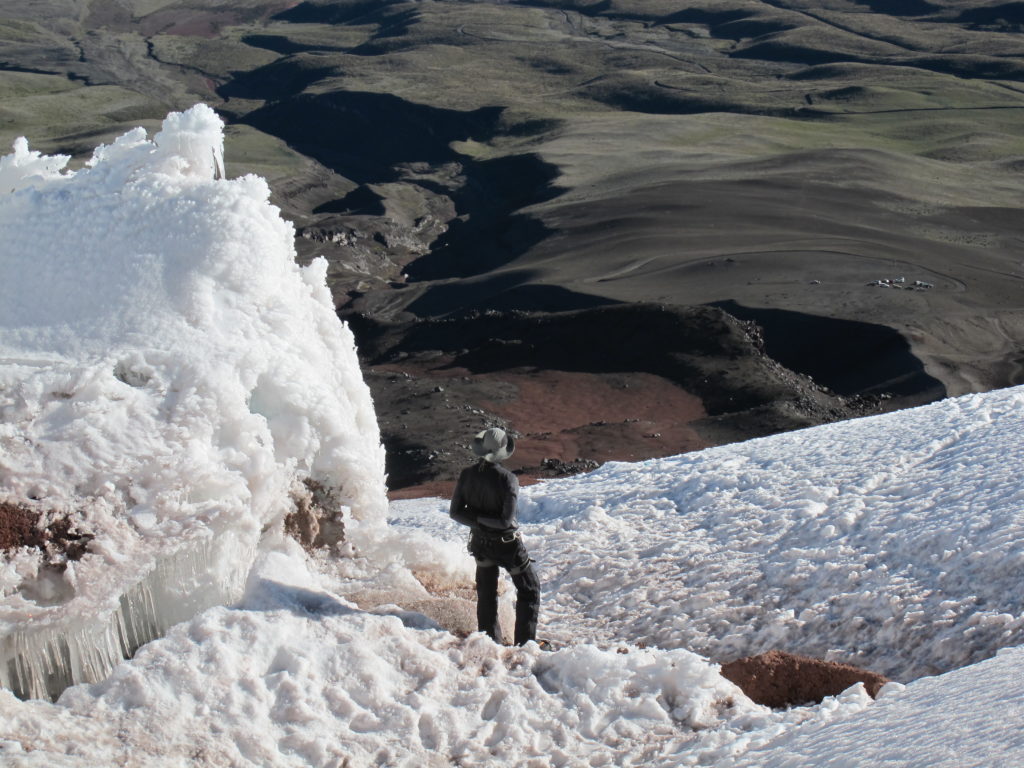
Conditions change quickly, temperatures drop well below freezing, and having the right gear can make the difference between turning back early and reaching the summit.
After guiding dozens of climbers on Cotopaxi, we’ve refined this list to what actually works in Ecuador’s mountain conditions — no unnecessary extras, just what you truly need.
Whether you’re bringing your own equipment or planning to rent locally, this guide breaks down everything you’ll need — including practical tips, recommended gear, and what to prioritize.
🌻 1. Clothing Layers
| Item | Details | Recommended Brands |
|---|---|---|
| Base Layer (Top & Bottom) | Breathable, moisture-wicking | Icebreaker, Smartwool, Patagonia Capilene |
| Mid Layer (Fleece or Light Puffy) | Warmth without bulk | Arc’teryx Atom LT, Patagonia R1 |
| Insulated Jacket (Down or Synthetic) | Very warm layer for summit push | Rab Microlight Alpine, The North Face Summit Series |
| Shell Jacket (Hardshell, Waterproof) | Wind & waterproof | Arc’teryx Beta AR, Outdoor Research Helium |
| Softshell Pants | Flexible, breathable | Mammut Courmayeur, Black Diamond Alpine |
| Insulated Pants | For summit morning | Mountain Hardwear Compressor, Rab Photon |
| Gaiters | To keep snow out of boots | Outdoor Research Crocodile |
| Gloves (2 pairs) | Lightweight liner + insulated shell | Black Diamond Guide Gloves, OR Alti Gloves |
| Wool Hat / Buff / Balaclava | Full head and neck protection | Buff, Smartwool |
🧲 2. Footwear
| Item | Details | Brands |
| Mountaineering Boots | Insulated, crampon-compatible | La Sportiva Nepal Evo, Scarpa Mont Blanc |
| Wool Socks (x2 pairs) | Warm & breathable | Darn Tough, Smartwool |
| Camp Shoes (optional) | Lightweight for refuge | Crocs, Teva |
🚷 3. Climbing Equipment
(Often provided by your guide — but some bring their own)
| Item | Recommended | Provided? |
| Crampons | Grivel G12, Petzl Vasak | ✓ Provided |
| Ice Axe | Petzl Summit, Black Diamond Raven | ✓ Provided |
| Climbing Harness | Black Diamond Momentum, Petzl Corax | ✓ Provided |
| Helmet | Petzl Boreo, BD Half Dome | ✓ Provided |
| Carabiners / Rope / Belay | Guide-managed | ✓ Provided |
| Headlamp (with extra batteries) | Petzl Actik Core | ✗ Bring your own |
🎒 4. Backpack & Accessories
| Item | Notes |
| 35–45L Backpack | For summit day (adjustable hip belt) |
| Sunglasses (Category 4) | Extreme UV protection |
| Sunscreen (SPF 50+) | Glacier glare burns fast |
| Lip Balm (SPF) | Essential |
| Hydration System (2L+) | Insulated bottle + bladder |
| Snacks / Energy Gels | GU, Clif Bar, local panela candies |
🛏️ 5. Sleeping & Extras (for refuge stay)
| Item | Notes |
| Sleeping Bag (-10°C or lower) | Marmot Trestles Elite, Sea to Summit |
| Earplugs | Refuges can be noisy |
| Power Bank | No plugs at the refuge |
📦 Optional Gear Rentals (in Ecuador)
- Quality rental gear is available in Quito or through Barefoot Expeditions.
- Recommended to bring your own boots if possible for proper fit.
📌 Booking Tips & Local Insight
- Plan for acclimatization: Spend at least 2–3 days hiking above 3,000m before Cotopaxi.
- Combine with Pasochoa, Rumiñahui, or Ilinizas Norte as warm-up peaks.
- Barefoot Expeditions provides: Certified guides, climbing permits, refuge reservation, transportation, and all technical equipment.
- Best season: June to September or December to February (clearer weather).
🔗 Useful Links
Ready to climb Cotopaxi?
Climbing Cotopaxi is more than a physical challenge — it’s a journey into one of the most powerful landscapes in Ecuador. With the right preparation, experienced guides, and proper acclimatization, this becomes one of the most rewarding high-altitude experiences in the Andes.
Check Cotopaxi climb detailsCertified mountain guides • Safety-first approach • High-altitude expertise in Ecuador
