
Why Ecuador Has So Many Endangered Species
Ecuador is one of the most biodiverse countries per square kilometer in the world, but this concentration of life also makes it highly vulnerable.
Rapid changes in altitude, climate zones, and ecosystems—from the Amazon rainforest to the Andes Mountains and the Galápagos Islands—create unique habitats where species evolve in isolation.
However, these same conditions make wildlife especially sensitive to:
- habitat loss
- climate change
- human expansion
As a result, many species found nowhere else on Earth are now considered endangered.
– The following table highlights key endangered species in Ecuador, their habitats, threats, and where they can be observed responsibly –
| Region | Species | Habitat | Main Threats | Where to See Them |
|---|---|---|---|---|
| Andes Mountains | Andean Condor | High-altitude cliffs & páramo | Habitat loss, hunting | Cotopaxi, Antisana |
| Andes Mountains | Spectacled Bear | Cloud forests & Andean slopes | Deforestation, poaching | Mindo, Antisana |
| Andes Mountains | Mountain Tapir | High Andean forests & páramo | Habitat fragmentation | Cayambe-Coca, Sangay |
| Amazon Rainforest | Pink Amazon River Dolphin | Rivers & flooded forests | Pollution, boat traffic | Cuyabeno, Yasuni |
| Amazon Rainforest | Jaguar | Dense tropical rainforest | Deforestation, hunting | Yasuni National Park |
| Amazon Rainforest | Giant Otter | Rivers & oxbow lakes | Habitat loss, hunting | Cuyabeno Wildlife Reserve |
| Galápagos Islands | Galápagos Giant Tortoise | Dry forests & highlands | Invasive species | Santa Cruz, Isabela |
| Galápagos Islands | Marine Iguana | Coastal lava zones | Climate change (El Niño) | Isabela, Fernandina |
| Galápagos Islands | Blue-footed Booby | Coastal cliffs & islands | Food scarcity, climate shifts | North Seymour, Española |
These species represent only a small fraction of Ecuador’s biodiversity, highlighting the importance of conservation across all ecosystems.
Preserving Ecuador’s Precious Wildlife
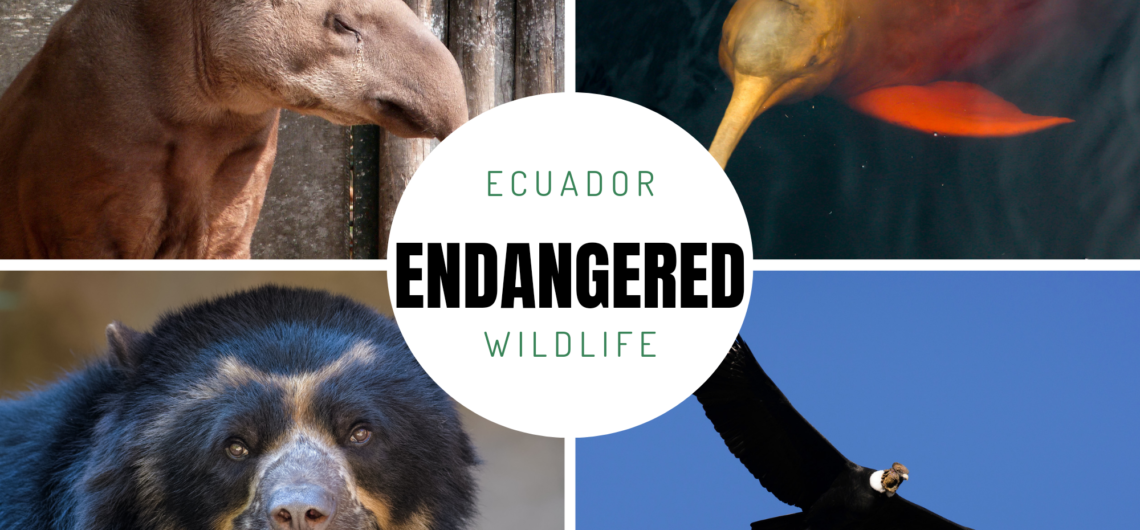
Ecuador is home to unique biodiversity and harbors several endangered animals. Some at-risk species include the Andean condor, the spectacled bear, the pink Amazon river dolphin, the Galápagos giant tortoise, and the mountain tapir. The conservation of these animals is crucial to preserve Ecuador’s rich natural diversity. Here are a few of Ecuador’s endangered wonders:
1. 🦅 Andean Condor:
The Andean condor is one of the largest flying birds in the world and a powerful symbol of the Andes. As a natural scavenger, it plays a critical role in maintaining ecosystem balance.
In Ecuador, it inhabits high-altitude cliffs and páramo landscapes, where strong thermal currents allow it to glide effortlessly across vast distances.
Despite its strength, the species faces serious threats from habitat loss, poisoning, and human encroachment, making it one of the most vulnerable birds in the region.
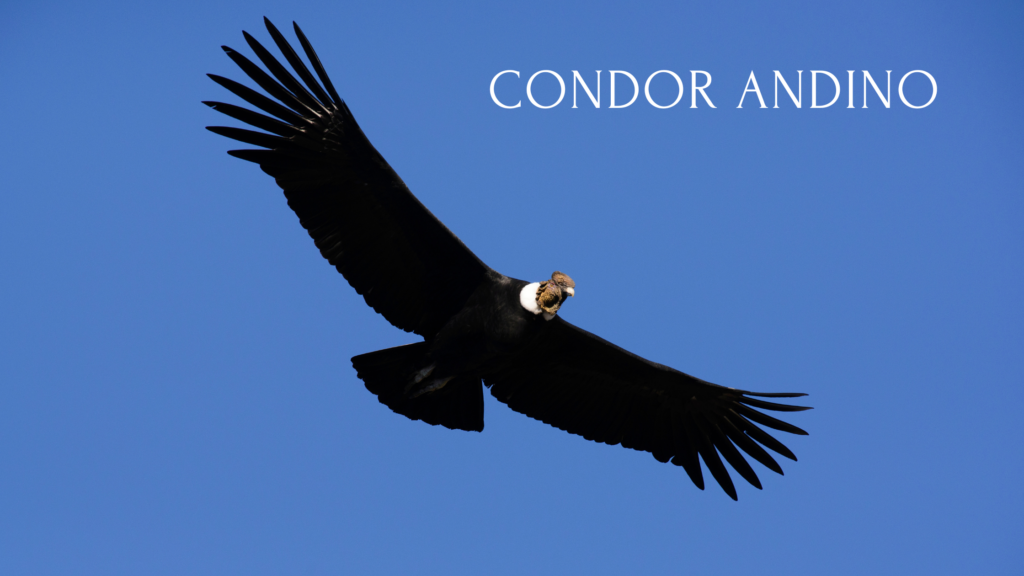
Where to see it in Ecuador: Cotopaxi National Park, Antisana Ecological Reserve
2. 🐻 Spectacled Bear:
The spectacled bear, also known as the Andean bear, is the only bear species native to South America and a key indicator of healthy cloud forest ecosystems.
It lives in dense Andean forests, where it feeds on fruits, plants, and occasionally small animals, playing an important role in seed dispersal.
Deforestation and habitat fragmentation are the main threats to its survival, as expanding agriculture continues to reduce its natural environment.
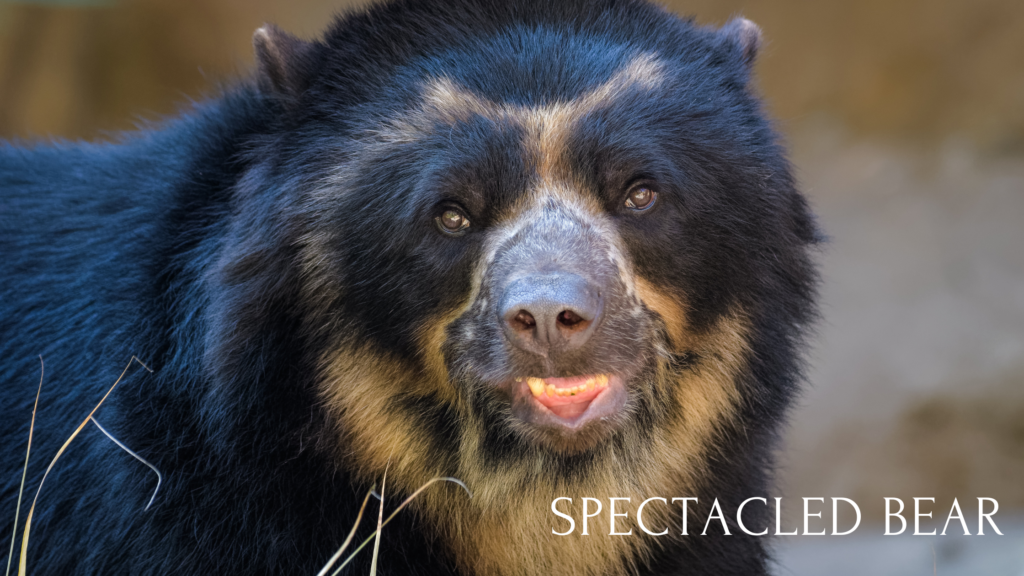
Where to see it in Ecuador: Mindo Cloud Forest, Antisana Reserve
3. 🐬 Pink Amazon River Dolphin:
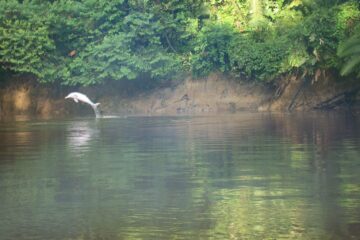
The pink Amazon river dolphin is one of the most unique freshwater mammals in the world, known for its intelligence and adaptability.
It inhabits rivers and flooded forests of the Amazon basin, where seasonal water changes create a dynamic and complex ecosystem.
Threats such as water pollution, boat traffic, and habitat disruption are increasingly affecting its population.
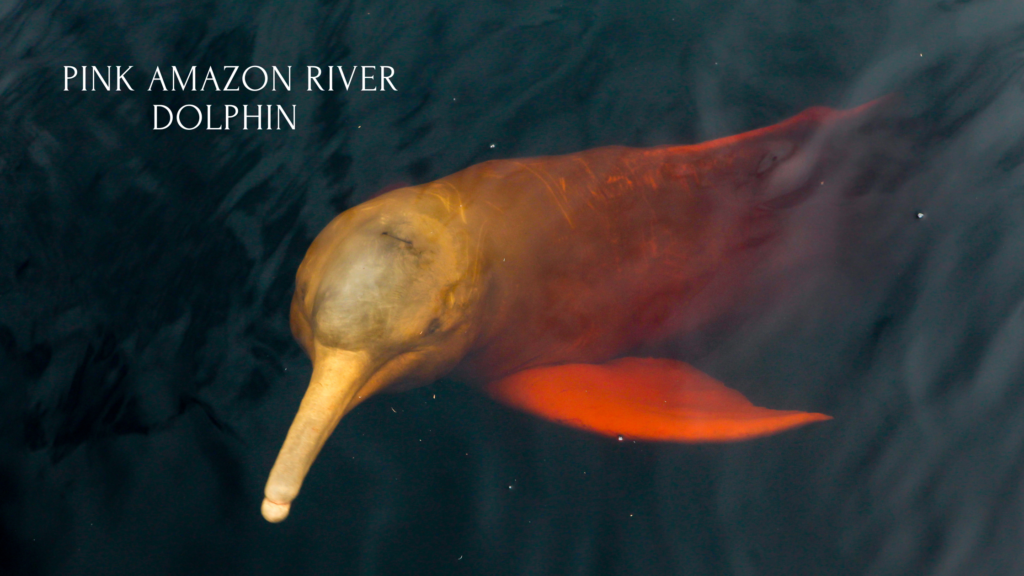
Where to see it in Ecuador: Cuyabeno Wildlife Reserve, Yasuní National Park
4. 🐢 Galápagos Giant Tortoise:
The Galápagos giant tortoise is one of the most iconic species in the world and a living symbol of evolution.
These tortoises inhabit both dry lowlands and humid highlands, where they play a key role in shaping vegetation and ecosystems.
Although conservation efforts have helped recovery, invasive species and habitat changes remain ongoing threats.
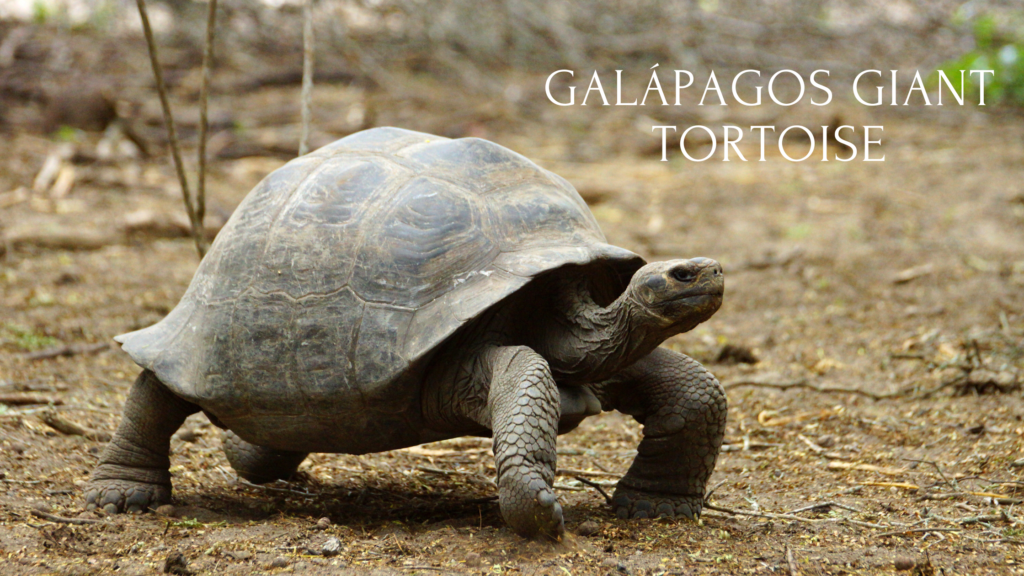
Where to see it in Ecuador: Santa Cruz Highlands, Isabela Island
5. 🦌 Mountain Tapir:
The mountain tapir is one of the rarest large mammals in the Andes and is considered a living relic of ancient ecosystems.
It inhabits cold, high-altitude forests and páramo regions, where it helps maintain vegetation balance by dispersing seeds and shaping plant growth.
Due to its limited range and slow reproduction rate, it is highly vulnerable to habitat loss and environmental changes.
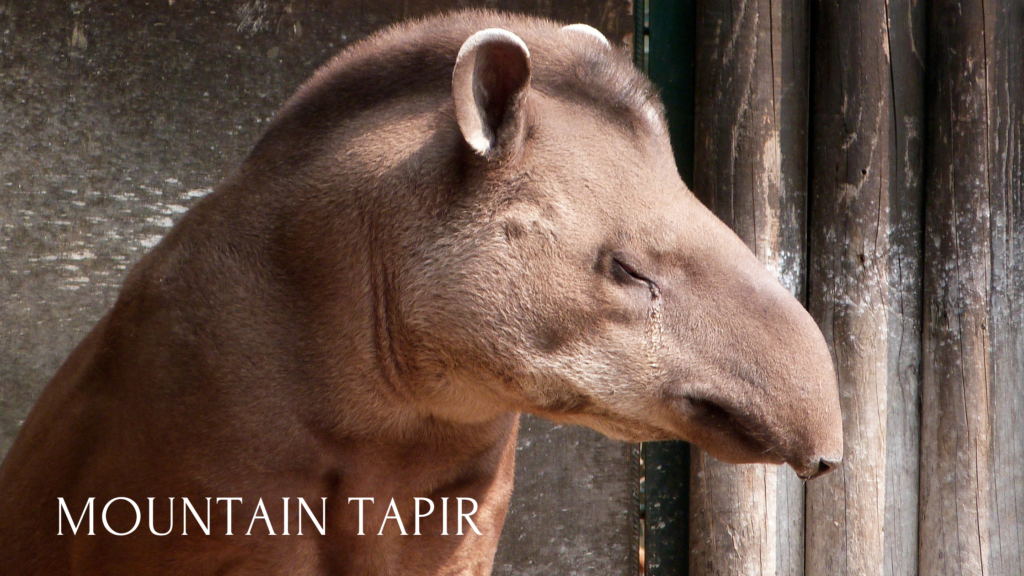
Where to see it in Ecuador: Cayambe-Coca National Park, Sangay National Park, Archidona, Tena.
🐆 6. Jaguar
The jaguar is the largest predator in the Americas and a symbol of the Amazon rainforest’s ecological power.
It thrives in dense tropical forests, where it plays a crucial role as a top predator, maintaining balance among prey species.
However, deforestation and human expansion continue to reduce its territory, making sightings increasingly rare.
Where to see it in Ecuador: Yasuní National Park (remote areas)
🦦 7. Giant Otter
The giant otter is a highly social and intelligent species that lives in family groups along rivers and oxbow lakes in the Amazon.
It depends on clean, healthy waterways to survive, feeding mainly on fish and using vocal communication within its groups.
Habitat destruction and hunting have significantly reduced its population, making it one of the most endangered mammals in the Amazon.
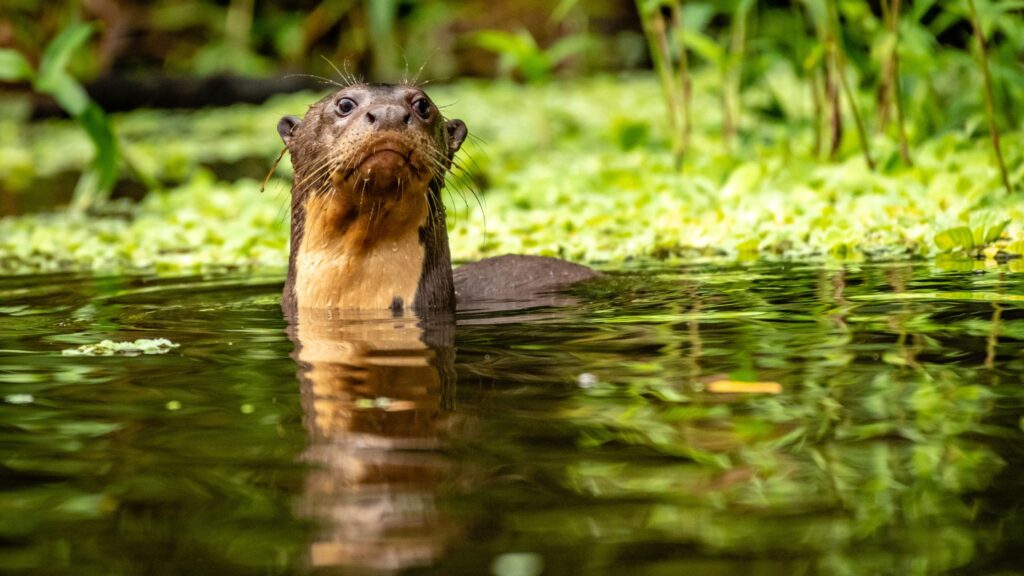
Where to see it in Ecuador: Cuyabeno Wildlife Reserve
🦎 8. Marine Iguana
The marine iguana is the only lizard in the world adapted to life in the ocean, feeding on algae along the rocky shores of the Galápagos.
Its unique ability to dive and regulate body temperature makes it one of the most fascinating evolutionary species on Earth.
Climate events like El Niño can drastically reduce its food supply, making it vulnerable to environmental changes.
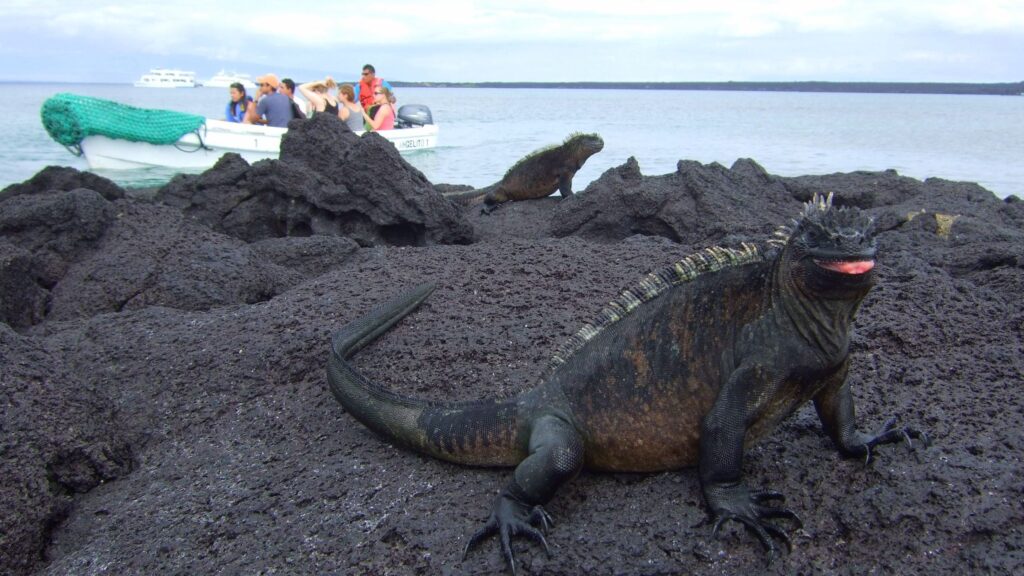
Where to see it in Ecuador: Isabela Island, Fernandina Island
🐦 9. Blue-footed Booby
The blue-footed booby is one of the most recognizable birds of the Galápagos, famous for its bright blue feet and courtship dance.
It nests along coastal cliffs and islands, relying on healthy marine ecosystems to feed on fish.
Changes in ocean temperature and food availability have impacted its populations in recent years.
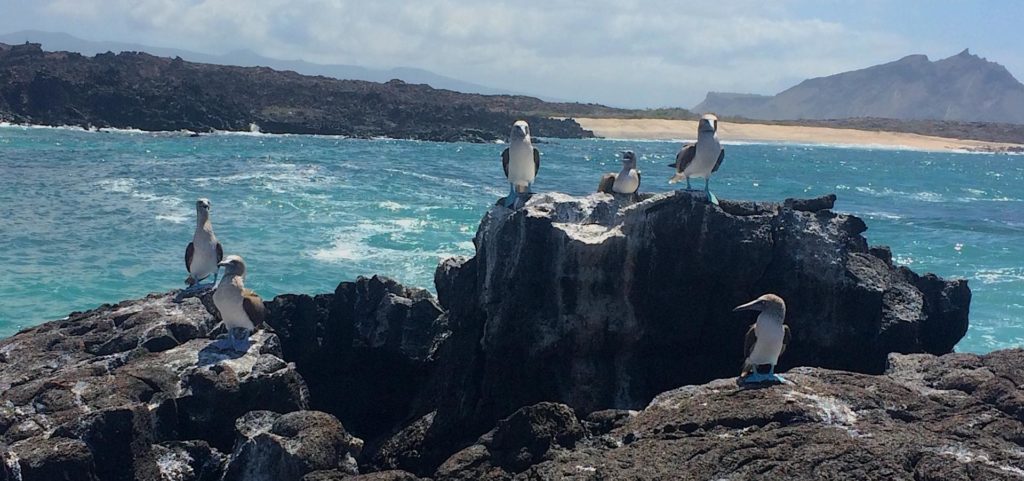
Where to see it in Ecuador: North Seymour Island, Española Island
Experience Ecuador’s Wildlife Responsibly
Seeing these species in their natural habitat is one of the most powerful ways to understand their importance.
Our journeys are designed to support conservation, local communities, and responsible wildlife observation across Ecuador.
Recommended journeys to experience Ecuador’s wildlife in its natural environment:
Private and semi-private itineraries across the Amazon, Andes, and cloud forests, designed for close, natural encounters.